
Okay, so check this out—I’ve been lugging hardware wallets around for years. Whoa! My instinct said early on that custodial exchanges felt fragile. Really? Yes. At first I thought keeping everything on an exchange was fine, but then one-too-many headlines about hacks changed my mind. Something felt off about trusting a company with the keys to your life savings, and that gut feeling pushed me into hard wallets and a more disciplined workflow.
Here’s the thing. Hardware wallets aren’t magic. They’re tools that, when combined with smart portfolio management and disciplined transaction signing, raise your security ceiling dramatically. I still make tradeoffs—convenience vs. security is real. My approach mixes cold storage for long-term holdings, air-gapped signing for critical moves, and carefully considered DeFi access for yield and active strategies. Hmm… that balance took time to find.
Short version: split responsibilities. Long version: design systems where a lost device or a compromised computer doesn’t mean catastrophe, and where you can still interact safely with DeFi. Initially I treated every new protocol like a carnival ride—exciting but risky. Actually, wait—let me rephrase that: I still get excited, but now I do checklists before clicking “connect.”
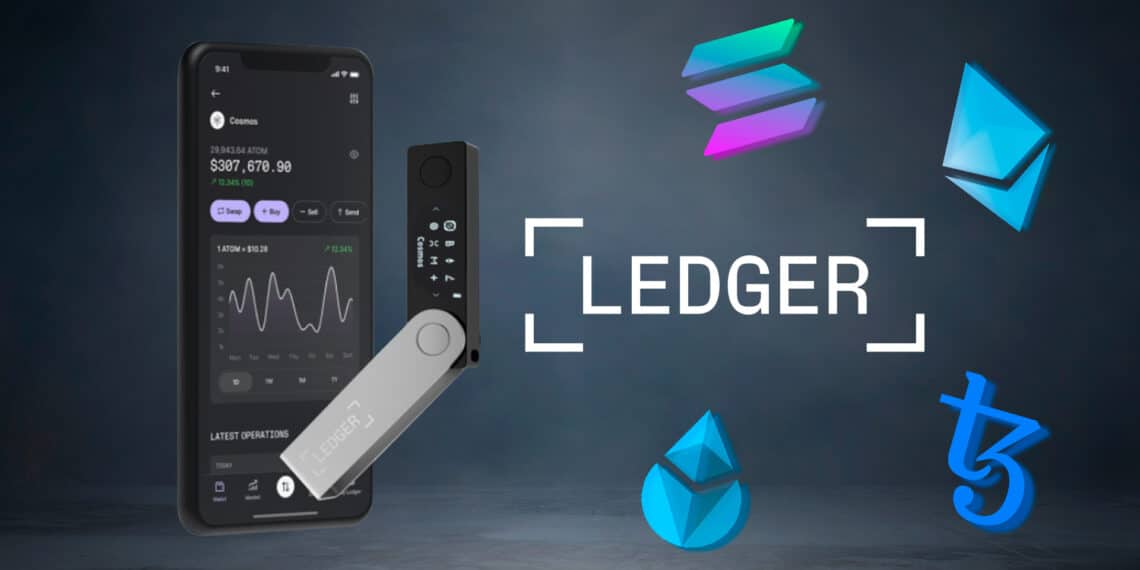
Practical Portfolio Rules I Live By
Rule one: separate buckets. Keep a cold bucket for HODL assets and a hot or warm bucket for trading and DeFi. Short sentence. The cold bucket lives on a hardware device stored in a secure place. Medium sentence with explanation. For the warm bucket, use a dedicated hardware wallet that you only use through an air-gapped signing method when possible—this minimizes exposure when interacting with smart contracts or yield farms. On the other hand, for tiny, experimental positions—use a software wallet with limited funds. My instinct says: if it’s not worth losing, don’t put it on a phone or a browser extension.
Rule two: multi-layer verification. Seriously? Yes. I cross-check addresses off-device, use QR-based signing when available, and keep a small paper verification checklist for each high-value move. It’s annoying, but it’s saved me from clicking on a malicious thirty-character address that looked legit at 3 a.m. Initially I thought a quick copy-paste was harmless. Then I saw an address that differed by two characters and I almost sent a transfer—yikes.
Rule three: plan transaction flow. For DeFi positions I first simulate gas and slippage on a testnet or by using read-only calls, then stage the transaction in an offline tool. On one hand this adds friction, though actually it forces clarity about why I’m doing a thing—am I chasing yield or reallocating risk? My process: decide, stage, verify, sign. Very very important.
DeFi Integration Without Losing Sleep
DeFi is tempting. Yields can look absurd. Whoa! But it’s littered with permission risks, rug pulls, and upgradeable contracts that change behavior overnight. My rule of thumb: if a protocol requires me to give unlimited approvals or to interact directly from my main cold wallet, I pause. Hmm… something about that smells like trouble.
Use a dedicated “DeFi wallet” funded with what you’re prepared to lose. Medium sentence. Use contract-specific approvals and revoke them periodically. Longer sentence explaining nuance: On-chain explorers and tools can show you current allowances, and I use hardware-signing where possible so that even when a dApp requests an approval, my private key never touches the browser environment.
When bridging assets, I favor audited bridges with time-lock mechanisms and reputable relayers. Initially I assumed all bridges were equal, but then I spent days reading post-mortems and realized the differences are huge. My practice now: small test transfers, verify on-chain confirmations, and never bridge everything at once. I’m biased, but slow transfers have saved me from at least one snafu.
Transaction Signing: Air-gapped and Intent-Based
Intent-based signing is my favorite idea. Short. The wallet should show you human-readable intent: amount, recipient, network, and a clear description when interacting with contracts. Medium sentence. Use devices and apps that display full transaction details on-device, not just a truncated string. Long explanatory sentence with nuance: When you can review the exact function being called—approve, transferFrom, swap—you reduce the attack surface created by malicious UI overlays or compromised software wallets.
Air-gapped setups are more effort but worth it for large moves. I export unsigned transactions from my online machine, sign on an offline hardware device, and then broadcast from a clean online computer. It’s clunky, but it separates environments and limits the blast radius of malware. On one hand it’s slower; on the other, it makes me sleep better. I’m not 100% sure that everyone needs this level, but if you manage meaningful sums, consider it.
Also: use descriptive labels and maintain a transaction log. Small detail, big payoff. When tax season or an audit hits, a ledger of why you moved funds becomes gold. Yes, I said “ledger” intentionally—no, not the device only—the idea of keeping a human-readable record.
Tools and Workflows I Recommend
Pick a primary hardware brand you trust, learn its quirks, and stick with it. Here’s a practical tip: keep firmware updated, but not on impulse. Wait for release notes and community feedback. Wow!
If you use an app ecosystem for managing your devices and balances, consider official and well-reviewed software. For people wanting a polished desktop experience that bridges hardware wallets with portfolio and DeFi features, check out this resource: https://sites.google.com/cryptowalletuk.com/ledger-live/ —it helped me streamline portfolio views while keeping signing on-device. That said, I still verify everything twice.
Use read-only explorers and contract viewers to preview actions. Medium sentence. Don’t assume a fancy UI equals safety; sometimes it just masks risk. Longer thought: and when in doubt, move a small amount first and escalate only after confirming you can both execute and reverse a step if needed.
Frequently Asked Questions
How much should I keep in cold storage versus hot wallets?
It depends on your risk tolerance. Short answer: keep your long-term holdings cold. Medium: a simple split is 70/30 or 80/20 (cold/warm) for many retail users. Longer nuance: if you actively trade or farm, you might keep more in warm wallets, but systematically move profits back to cold storage weekly or monthly.
Can I safely use DeFi with a hardware wallet?
Yes, with care. Use a dedicated DeFi wallet, minimize approvals, use on-device signing, and test flows with small amounts. Initially I thought hardware wallets made DeFi interactions perfectly safe—actually, they help a lot but they don’t eliminate all smart contract risk.
What if my device is lost or stolen?
Recovery seed phrases are your lifeline. Store them offline, in multiple secure places, and consider using split-seed or multisig for very large portfolios. I’m biased toward multisig for institutional-level sums because it reduces single-point failures.